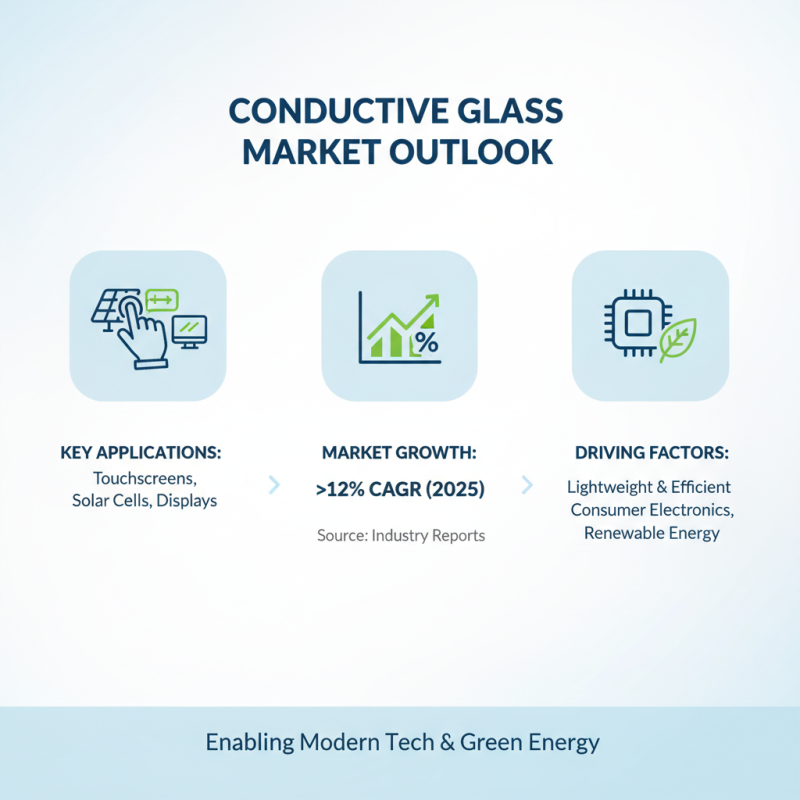
Lately, we've been seeing quite a surge in the demand for China Conductive Glass. Thanks to rapid tech advancements and wider applications across different industries, this market is really heating up. I came across a report from Research and Markets that predicts the global conductive glass market might hit around 4 billion USD by 2026, growing at roughly 12% annually since 2021. It's pretty crazy how sectors like consumer electronics, automotive, and renewable energy are pushing this growth — conductive glass is becoming a game-changer in improving performance and energy efficiency in these areas.
By 2025, picking the right China Conductive Glass for your project is going to be more crucial than ever. The competition is fierce, and manufacturers are constantly coming out with new materials and better techniques. When you're choosing, it’s super important to consider things like how transparent it is, how well it conducts electricity, and how durable it is — these factors really affect how well your final product performs and lasts. Plus, with more companies trying to go green, sustainable practices might also shape market trends. All of this means that understanding the key features and carefully comparing different suppliers will be essential if you want your projects to succeed down the line.
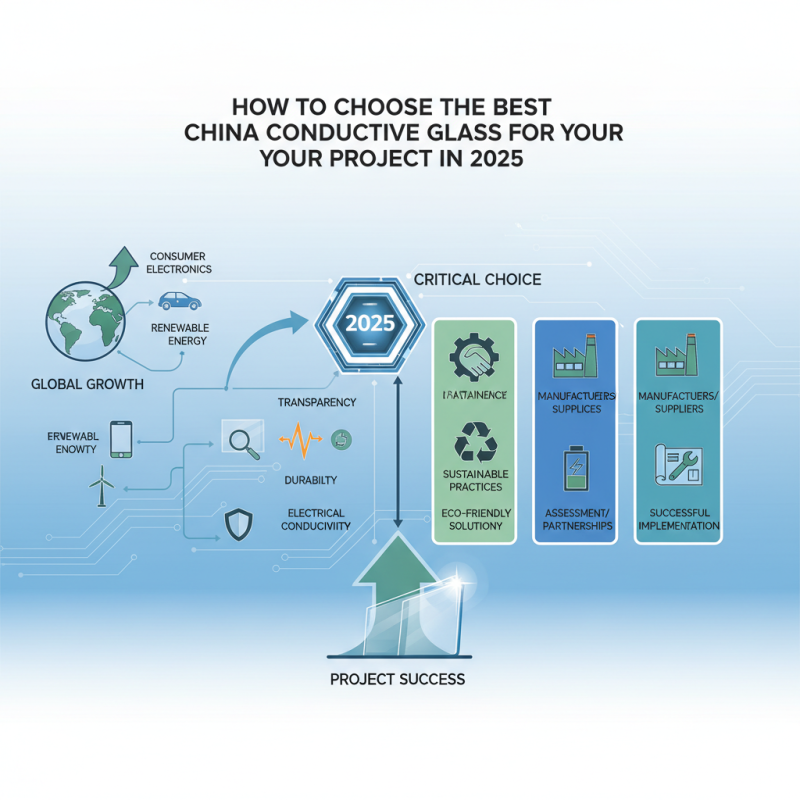
Understanding Conductive Glass and Its Applications
Conductive glass, often referred to as transparent conductive oxide (TCO) glass, has become indispensable in various high-tech applications, including touchscreens, solar cells, and displays. This type of glass allows for the passage of light while also conducting electricity, making it a vital component in modern electronic devices. According to the latest industry reports, the global conductive glass market is expected to grow significantly, with a projected compound annual growth rate (CAGR) of over 12% through 2025. This growth is driven by the increasing demand for lightweight and efficient materials in consumer electronics and renewable energy solutions.
When selecting conductive glass for your project, it is essential to consider its specific properties, such as sheet resistance, optical transmittance, and durability. The choice of substrate material—whether it be soda-lime glass or a more specialized option—can significantly impact performance. Additionally, the application of thin-film technologies can enhance the conductivity and optical clarity of the glass, offering more versatility for different uses.
**Tip:** Always evaluate the end-use environment for your conductive glass. If you require enhanced durability, consider a coating that protects against scratches and chemicals.
Moreover, understanding the different applications of conductive glass is crucial. For instance, in the solar energy sector, TCO glass plays a pivotal role in maximizing the efficiency of photovoltaic cells, leading to better energy output. In consumer electronics, it facilitates the development of sleek and responsive touch interfaces, enhancing user experience.
**Tip:** Stay updated on technological advancements and market trends, as they can inform your decisions on material choice and innovative applications, ensuring the success of your projects.
Key Properties to Look for in Conductive Glass
When selecting conductive glass for your project in 2025, it's essential to focus on several key properties that will determine its performance and suitability for your specific application. One of the primary characteristics to consider is the electrical conductivity of the glass. This property is crucial as it directly impacts the efficiency of the device or application you're designing. Look for materials that offer a low resistivity, which will ensure better conductivity and responsiveness in electronic applications such as touch screens or solar panels.
Another important property is optical clarity. The conductive glass should maintain high levels of transparency while providing the necessary conductivity. In applications like displays or smart windows, a balance between transparency and conductivity is vital to ensure the device functions properly without compromising on visual quality. Additionally, consider the durability and chemical resistance of the glass. A robust material will withstand various environmental conditions and potential corrosive substances, making it suitable for long-term applications. By focusing on these key properties, you can select the best conductive glass for your project, ensuring optimal performance and longevity.
Market Trends in China’s Conductive Glass Industry for 2025
In 2025, the conductive glass market in China is expected to experience notable trends that will shape its future development. One significant trend is the increasing demand for energy-efficient solutions across various industries, including electronics, automotive, and renewable energy. As construction and manufacturing sectors aim for sustainability, conductive glass will gain traction due to its ability to enhance energy efficiency in smart buildings and devices. This trend reflects a broader commitment to environmental standards and the reduction of carbon footprints.
Another emerging trend is the advancement of manufacturing technologies, which is set to lower production costs and enhance the quality of conductive glass. Innovations in nanotechnology and coating processes are likely to yield products with superior conductivity and transparency, making them more appealing for diverse applications. Additionally, the integration of IoT (Internet of Things) technologies in conductive glass products will lead to smarter, interactive surfaces, thus broadening their usability in consumer electronics and smart home systems. The focus on these technological improvements indicates a competitive landscape where efficiency and functionality are at the forefront, catering to the evolving demands of consumers and industries alike.
Evaluating Manufacturers: Quality and Reputation
When selecting the best conductive glass for your project, evaluating manufacturers based on their quality and reputation becomes paramount. The global conductive glass market is projected to grow at a CAGR of 8.3% from 2021 to 2026, driven by the rising demand in various industries such as electronics, automotive, and renewable energy (Source: Market Research Insights 2023). This increase underscores the importance of sourcing from reputable manufacturers that adhere to industry standards and produce high-quality products consistent with your project's requirements.
A crucial aspect to consider is the manufacturer's commitment to quality control. A report by the International Standards Organization (ISO) indicates that companies certified under ISO 9001 have demonstrated a 20% higher quality consistency compared to non-certified businesses. Additionally, manufacturers with a robust reputation often provide transparent information about their production processes and material sourcing, fostering trust among clients. It is also advisable to seek feedback from existing customers and industry reviews to gauge the manufacturer’s reliability and product performance in real-world applications. Engaging with manufacturers who prioritize both quality and reputation not only ensures you receive superior conductive glass but also mitigates risks associated with project delays and material failures.
Cost Considerations When Selecting Conductive Glass
When selecting conductive glass for your project, cost considerations are crucial, especially in a rapidly evolving industry. According to recent market research, the global conductive glass market is projected to reach approximately $2.3 billion by 2025, growing at a CAGR of over 12%. This growth underscores the increasing demand for advanced materials in sectors such as electronics, automotive, and renewable energy. A thorough cost-benefit analysis can help navigate this landscape, offering insights into how various factors, including glass type, coating technology, and processing methods, can impact overall expenses.
Different types of conductive glasses, such as indium tin oxide (ITO) and fluorine-doped tin oxide (FTO), vary significantly in cost. ITO remains the prevalent choice due to its excellent transparency and conductivity, but rising indium prices can inflate material costs substantially. FTO, while generally less expensive, offers different performance characteristics that may affect their suitability for specific applications. Additionally, processing costs—including cutting, shaping, and coating—can add to the overall budget. Therefore, it is essential for manufacturers and project managers to meticulously assess these factors to ensure alignment of price with function, ultimately ensuring that the conductive glass selected meets both performance requirements and financial constraints.
Sustainability and Environmental Impact of Conductive Glass
The sustainability and environmental impact of conductive glass have become crucial considerations in the development of modern projects. As industries increasingly focus on reducing their carbon footprints, conductive glass presents an appealing alternative due to its ability to enhance energy efficiency. According to a report by Research and Markets, the global conductive glass market is projected to reach $4.5 billion by 2025, driven by its applications in solar panels, touchscreens, and smart windows. This growth signifies a demand for materials that meet both functional and ecological standards, making sustainability a key factor in material selection.
Conductive glass typically incorporates transparent conductive oxides, which offer significant advantages over traditional materials. For instance, a study published in the Journal of Sustainable Materials reveals that these oxides can be produced using processes that minimize waste and energy consumption. Additionally, advancements in recycling methods for glass and conductive materials have improved product life cycles. By selecting conductive glass derived from sustainable sources, manufacturers can not only support environmental conservation efforts but also comply with international regulations aimed at reducing hazardous materials in production. This trend towards eco-friendly solutions is expected to shape the industry landscape significantly in the coming years.
How to Choose the Best China Conductive Glass for Your Project in 2025 - Sustainability and Environmental Impact of Conductive Glass
| Property |
Description |
Environmental Impact |
Sustainability Rating |
| Transparency |
High optical clarity and light transmission. |
Minimal impact if sourced responsibly. |
A+ |
| Conductivity |
Effective electric conductivity for applications. |
Lower impact due to recyclable materials. |
A |
| Durability |
Resistant to wear and weathering. |
Long lifespan reduces waste. |
A |
| Manufacturing Process |
Eco-friendly processes that minimize waste. |
Significant reduction in carbon footprint. |
A+ |
| Recyclability |
Easily recyclable after end-of-life usage. |
Less landfill impact due to recyclability. |
A++ |
Future Innovations in Conductive Glass Technology
As we move closer to 2025, the landscape of conductive glass technology is poised for significant advancements that could redefine its application across various industries. Recent reports suggest that the global conductive glass market is projected to reach approximately $6 billion by 2025, with a compound annual growth rate (CAGR) of over 20% in the next few years. This growth will be driven by the increasing integration of conductive glass in fields such as automotive displays, smart windows, and consumer electronics.
One of the most exciting innovations in conductive glass technology is the development of transparent conductive oxides (TCOs), which are expected to enhance the performance and efficiency of these materials. Researchers are exploring novel materials, including graphene and silver nanowires, that not only improve conductivity but also maintain transparency and flexibility. For instance, studies indicate that graphene-based conductive glass can reduce energy consumption in electronic devices by up to 30%, making it an attractive alternative for manufacturers aiming to meet sustainability goals. As these technologies mature, designers and engineers will have more options at their disposal, allowing for more innovative and efficient product designs.
Durable Protection: Choosing Tempered Glass Impact Resistant Lenses for Industrial Equipment Applications
In the industrial sector, where equipment often operates in challenging conditions, the selection of protective components is crucial. Tempered glass impact-resistant lenses have emerged as a preferred choice due to their robust design and superior durability. These lenses, engineered with a toughened glass cover, provide exceptional protection against impact, making them ideal for safeguarding sensitive equipment components that are susceptible to damage in high-stress environments.
The unique step lens design enhances the fit and functionality of these protective lenses, ensuring they deliver reliable performance in various applications. This design not only augments the resilience of the lens but also maintains high optical clarity, allowing operators to monitor equipment effectively. Industries that depend on precision and protection can greatly benefit from the integration of tempered glass lenses, as they not only withstand the rigors of daily operations but also extend the lifespan of valuable machinery by mitigating the risk of damage.
FAQS
: Conductive glass, also known as transparent conductive oxide (TCO) glass, is a type of glass that allows light to pass through while also conducting electricity, making it essential for modern electronic devices.
Conductive glass is used in various high-tech applications, including touchscreens, solar cells, and displays, due to its unique electrical and optical properties.
The global conductive glass market is anticipated to grow significantly, with a projected compound annual growth rate (CAGR) of over 12% through 2025, driven by demand in consumer electronics and renewable energy.
Key properties to consider when selecting conductive glass include sheet resistance, optical transmittance, durability, and the choice of substrate material, which can affect performance.
The application of thin-film technologies can enhance the conductivity and optical clarity of conductive glass, providing more versatility for its various applications.
Evaluating manufacturers based on quality and reputation is crucial to ensure high-quality products, as reputable manufacturers are more likely to adhere to industry standards and produce reliable materials.
Manufacturers with a commitment to quality control, particularly those certified under ISO standards, tend to demonstrate higher quality consistency, which is vital for project success.
In the solar energy sector, conductive glass plays a key role in increasing the efficiency of photovoltaic cells, resulting in improved energy output.
It is important to evaluate the end-use environment because some applications may require enhanced durability, which can be achieved through protective coatings against scratches and chemicals.
Staying updated on technological advancements and market trends can help inform material choices and innovative applications, contributing to the overall success of projects involving conductive glass.
Conclusion
In "How to Choose the Best China Conductive Glass for Your Project in 2025," the article provides a comprehensive overview of conductive glass and its diverse applications. It highlights essential properties to consider when selecting conductive glass, such as transparency, conductivity, and durability. The analysis of market trends in China’s conductive glass industry indicates a strong growth trajectory, influenced by technological advancements and increasing demand across various sectors.
Furthermore, the article emphasizes the importance of assessing manufacturers based on quality and reputation, along with the cost considerations that may impact project budgets. Sustainability and the environmental impact of conductive glass production are also discussed, reflecting a growing awareness of eco-friendly practices. Finally, the article hints at future innovations in conductive glass technology that are expected to shape the industry in the coming years, making it an invaluable guide for stakeholders involved in projects requiring China conductive glass.